
How to Choose the Right Takeaway Packaging for Different Types of Food
31st Aug 2026
Takeaway packaging is more than just a container. It keeps food safe during delivery, helps portions stay together and affects how the meal looks when customers open it. If you pick the wrong packaging, fries can get soggy, desserts might get crushed, or salads could spill. The right packaging keeps food fresh, holds its shape, and travels well.
This guide explains which packaging works best for different foods and why. It looks at portion size, presentation, and how far the food needs to go.
Why Packaging Choice Matters
Different foods travel in different ways. Wet foods let out steam and moisture. Dry foods like fries need air to stay crisp. Desserts with layers need a flat, steady base. No single type of packaging works for every dish, so matching the container to the food helps prevent waste and makes a better first impression on customers.
Salads and Cold, Mixed Dishes
Salads, grain bowls, fruit cups, and other cold mixed dishes need containers that keep ingredients and dressing apart until it’s time to eat. Kraft food boxes are a good choice. They come in different sizes, so you can use a small box for a side salad and a bigger one for a full meal, instead of putting everything in one large box.
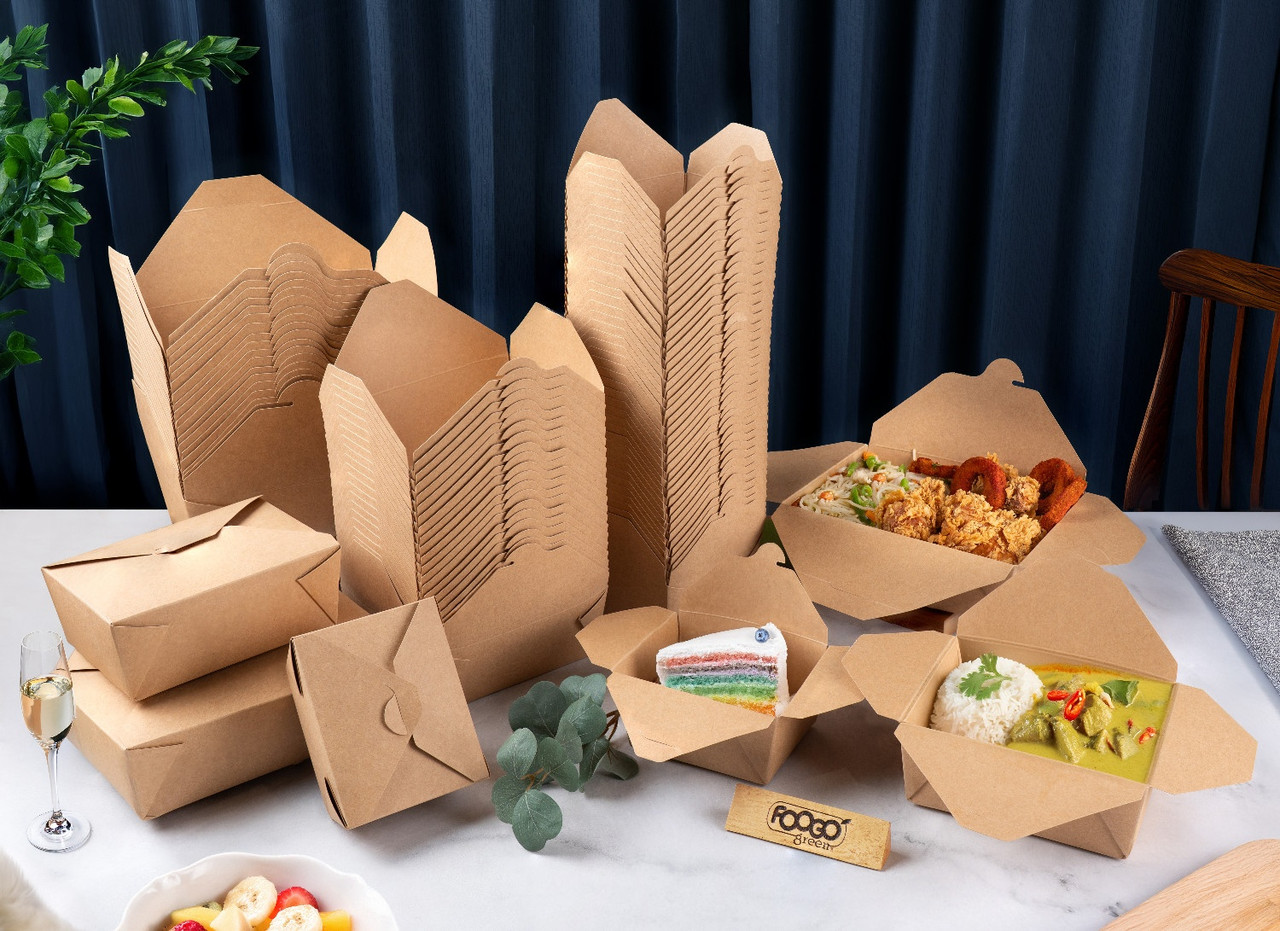
Kraft food boxes come pre-assembled, so kitchens save time and don’t have to fold boxes during busy service. This is especially helpful for fast kitchens, food trucks, caterers and takeaway restaurants where speed is important.
Rice Dishes, Pasta and Wet or Saucy Meals
Rice dishes, curries, pasta, and other meals with lots of sauce need containers that don’t leak and stay strong with hot or cold food. Kraft salad bowls are good for this. They work for both hot and cold meals, and their sturdy design means they won’t get soft or lose shape from sauce or steam.
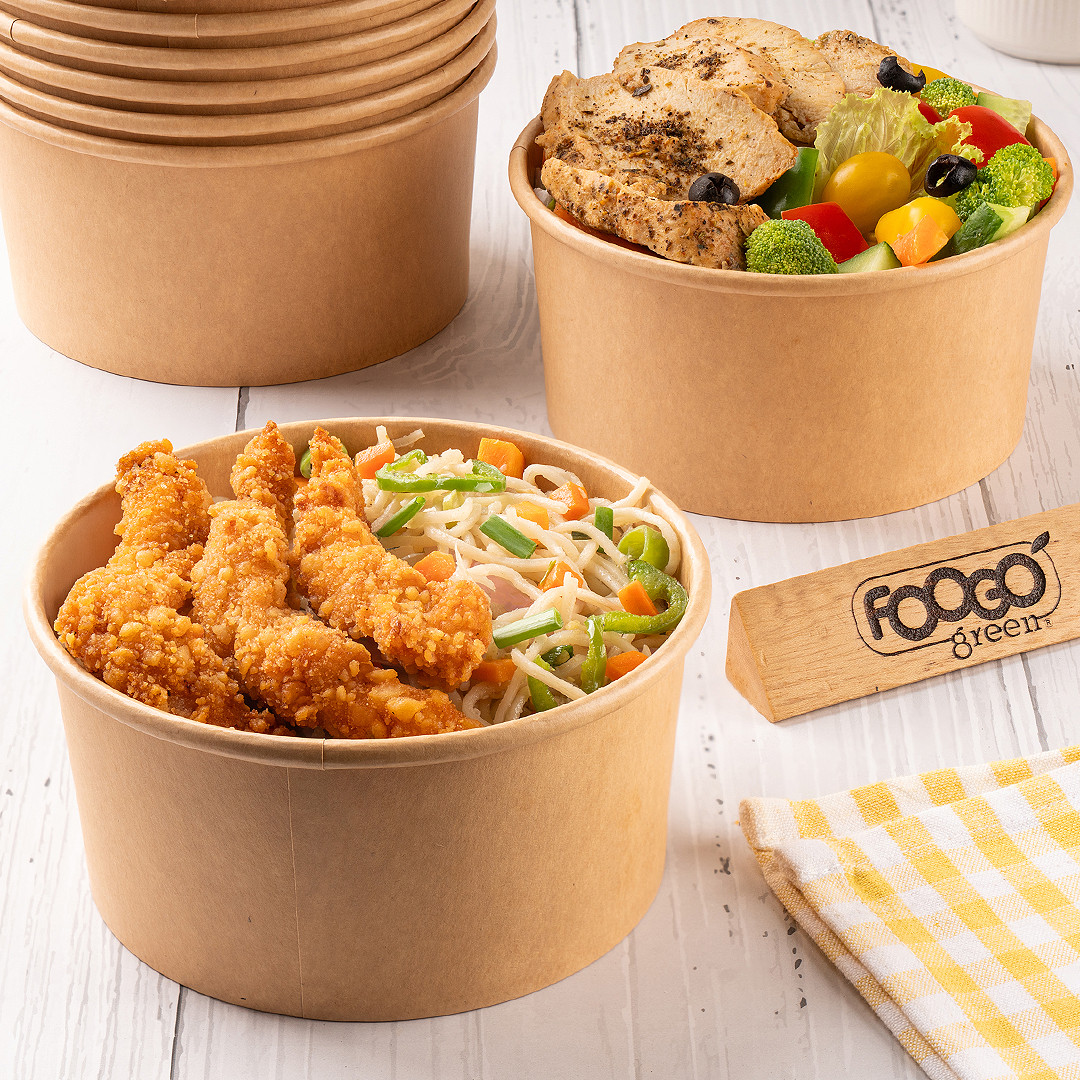
A tight lid is especially important for these foods than for dry ones. The wide, open shape of a bowl also shows off the ingredients when opened, which helps with presentation for dishes where the look of the layers matters.
Burgers, Fries, Nachos and Similar Handheld Foods
Burgers, fries, nachos, and other handheld or shareable foods need packaging that handles grease and moisture but doesn’t get soggy. Kraft food trays have a grease-resistant coating for this reason. Their strong edges keep the tray firm, even when it’s full of fries or a big burger, so the container won’t bend under the weight.
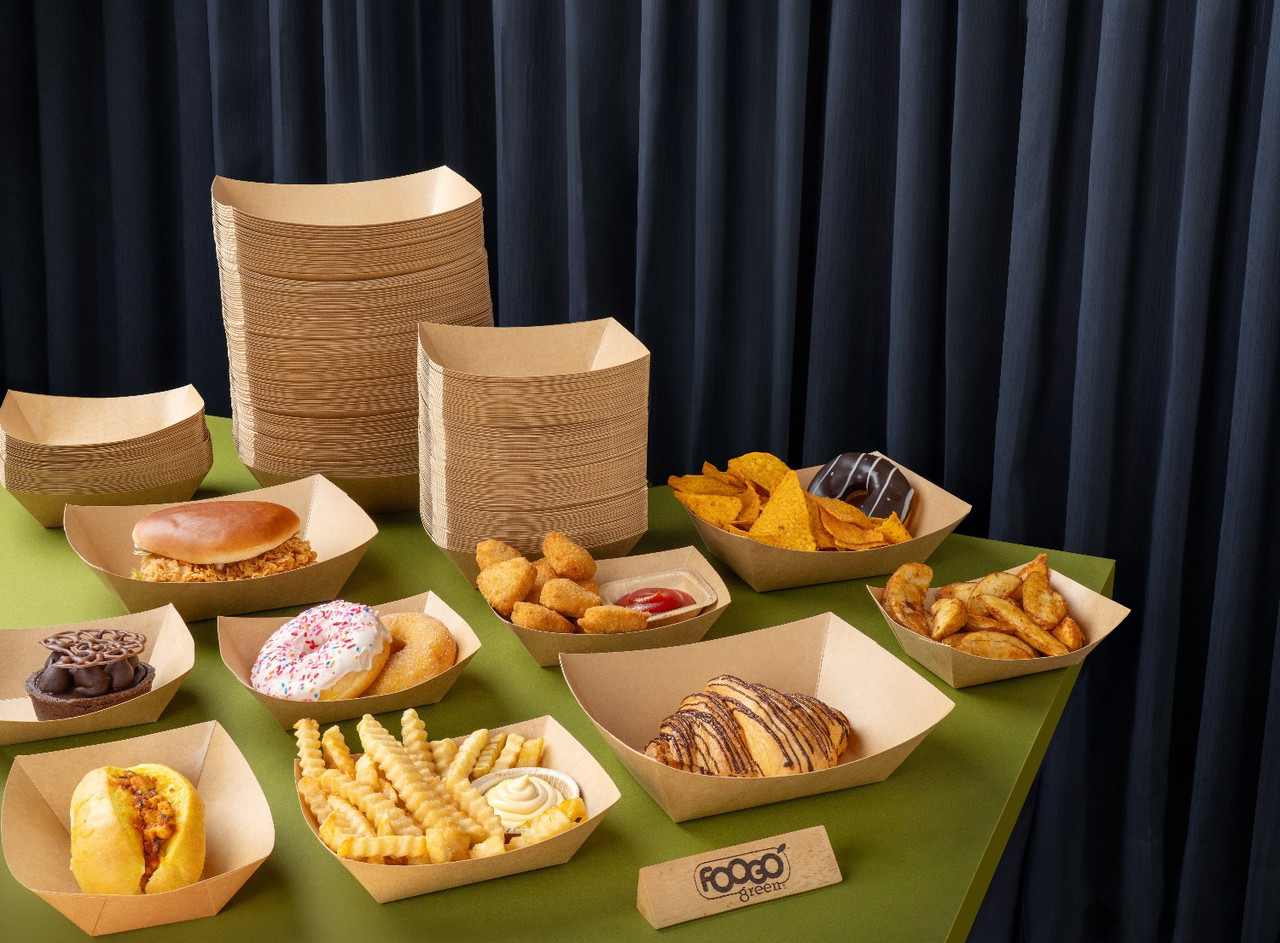
An open tray looks better for these foods than a closed box. Fries stay crisp with some airflow, and nachos or loaded fries keep their toppings in place and easy to see, instead of moving around in a closed box. For short trips, like counter or table service, an open tray is best. For longer deliveries, a loosely covered tray keeps in some heat but still lets steam out.
Multiple Items and Delivery Orders
Hot drinks should be served in containers that retain heat but are not too hot to hold. A strong coffee cup and a secure lid helps prevent spills while carrying them. Because people often order drinks with food, it is helpful if the packaging is easy to carry with the rest of the order.
When an order has several containers, a bag is the best way to get everything from the kitchen to the customer. Paper bags with strong handles can carry many boxes, trays, or bowls at once without breaking. For orders that need to stay upright, like boxes with sauces or wet foods, a bag with a wide base helps stop them from tipping over during delivery.
Matching Packaging to Practical Needs
There are a few key things to think about when choosing packaging for a dish:
- Portion size: Choose a container that fits the amount of food, so it doesn’t spill over or move around in empty space. If you take Salad bowls for example, smaller portions may suit 500ml salad bowls, while larger meals or sharing portions benefit from 1000ml or 1300ml options.
- Moisture and grease: Wet or greasy foods need containers that resist leaks or grease. Dry foods need some airflow to stay crisp and not get soggy.
- Transport distance: For short trips, open packaging works. For longer deliveries, use containers with tight seals and strong bases.
- Presentation: Open trays and bowls are good for food that looks appealing, while boxes are better for dishes that need to be fully covered.
A Note: In addition to these practical points, many kraft paper and paperboard options are made from FSC®-certified materials, which support responsible sourcing. Picking packaging that works well for the food and is made from certified, biodegradable material means you don’t have to choose between function and caring for the environment.
Choosing the right takeaway packaging is about knowing what each dish needs to make it from the kitchen to the table. When the container fits the food, it looks good, portions stay together, and the meal arrives just as it should.